CodeMyPixel is building Bangladesh's first AIOS: AI agent teams that do real work, not another CRM. Here is why we claim it, with proof from Novilla, Vocal AI, and LexClaro.
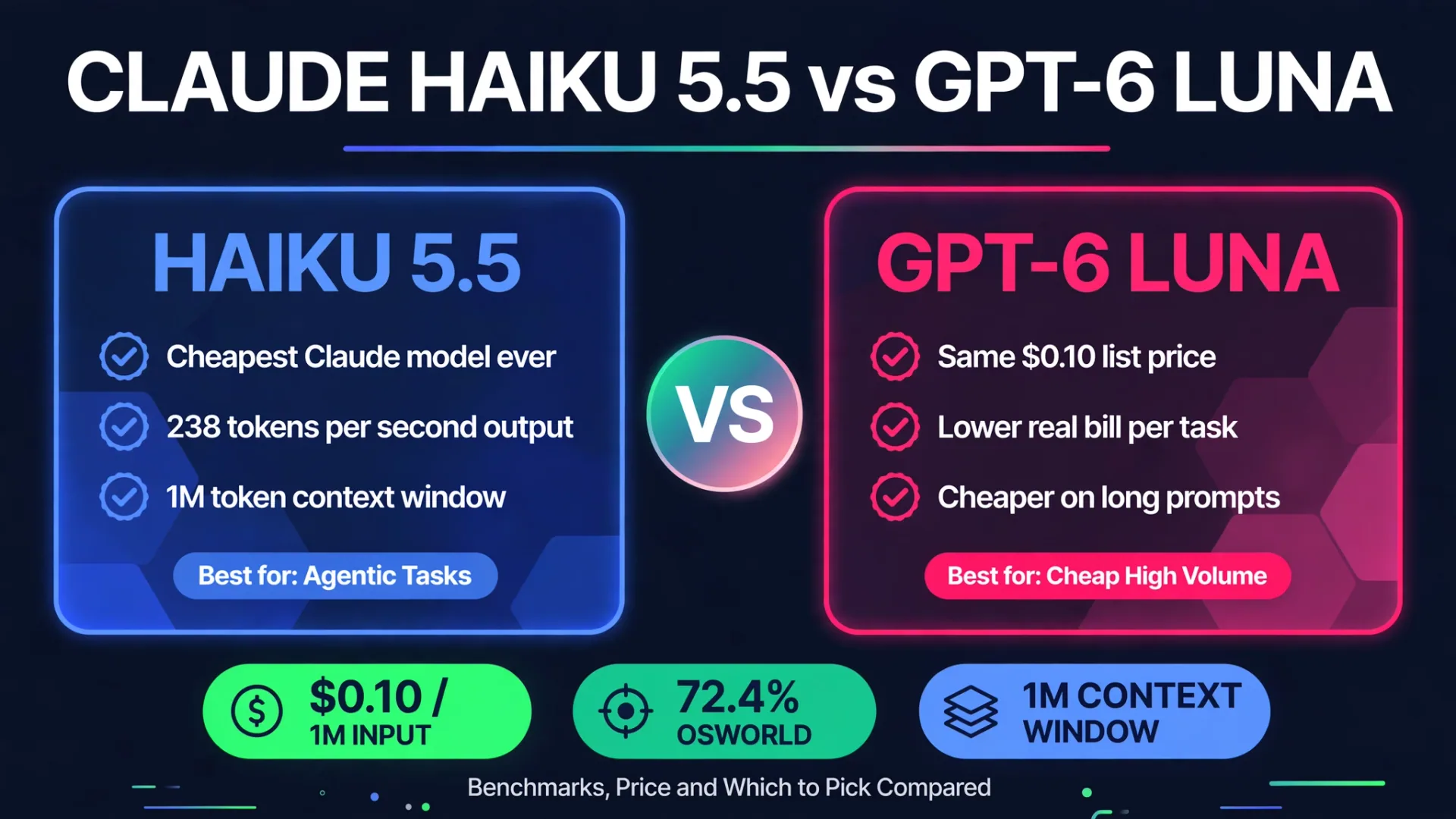
Claude Haiku 5.5 costs $0.10 per 1M input tokens, matches GPT-6 Luna's price, and beats it on benchmarks. Pricing, context, speed, and which to pick, compared.
Sirio Berati reverse-engineered Higgsfield's Genjutsu in 12 hours and rebuilt it as a free open-source workflow. Here is every step, explained with diagrams: depth masks, vocal isolation, Seedance 2.5 drafts, and the full 11-step pipeline.
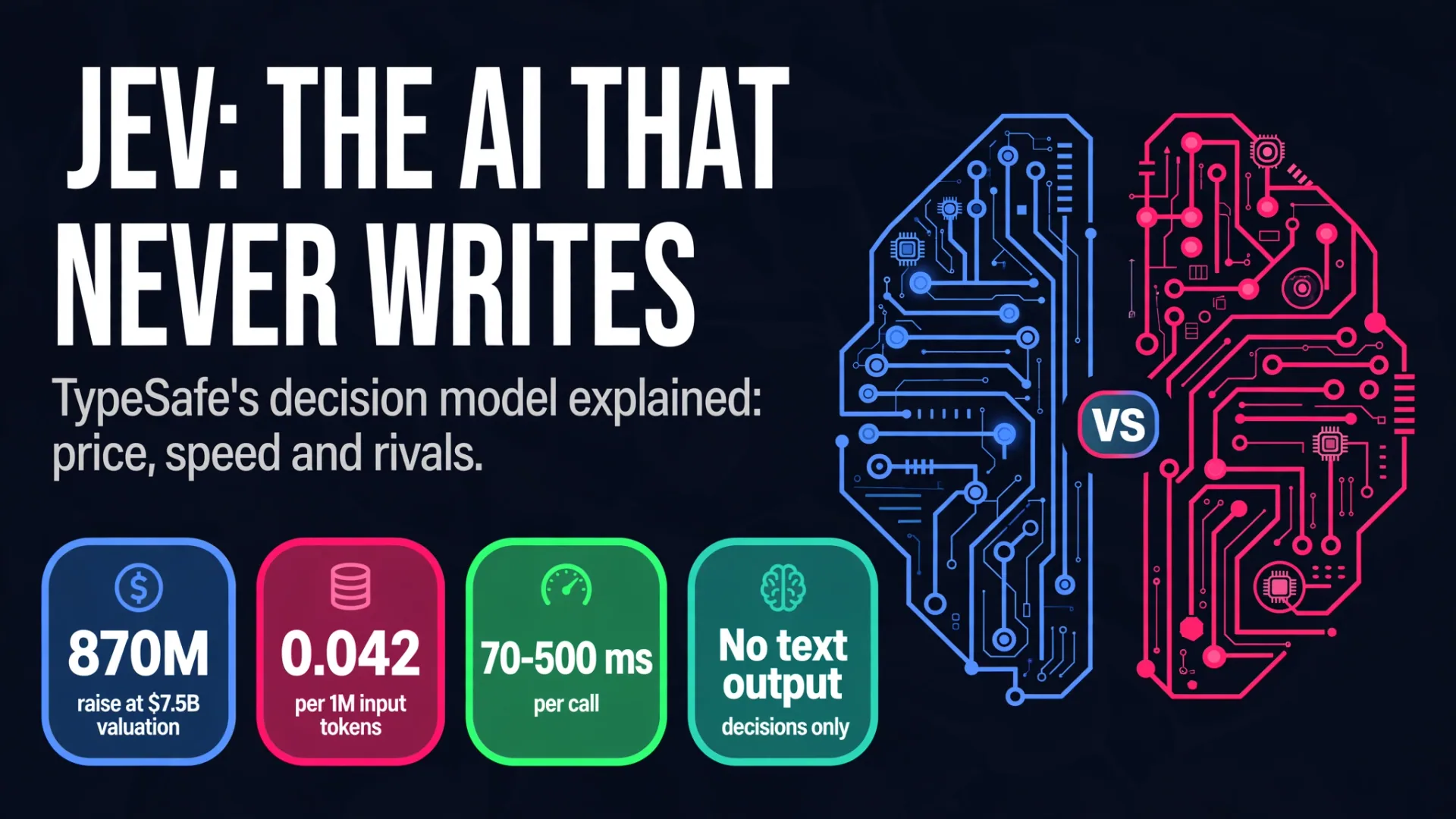
TypeSafe AI raised $870 million at a $7.5 billion valuation for Jev, a model that returns decisions instead of text. How it works, what it costs, and where OpenAI and Amazon's rivals fit in.
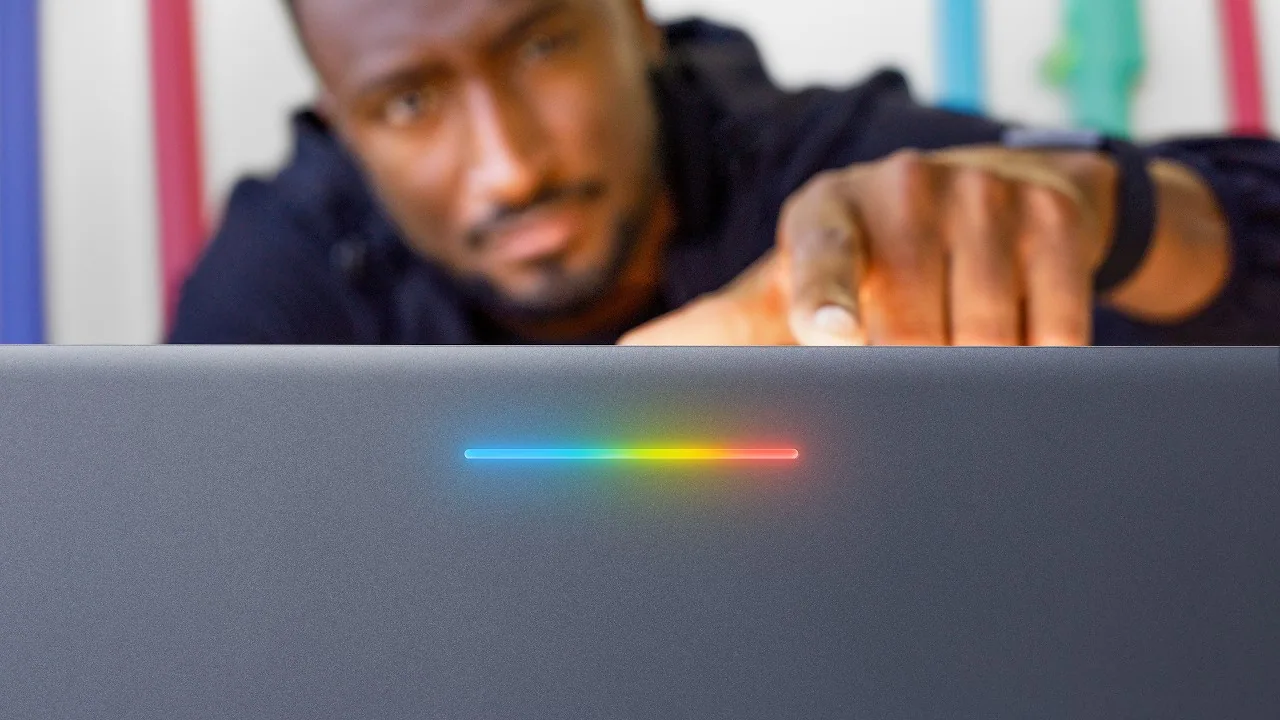
Google unveiled the Googlebook on September 21, 2026: a premium Android-based laptop line from Acer, ASUS, Dell, HP and Lenovo with deep Gemini integration. Here is everything it is, and who should buy one.
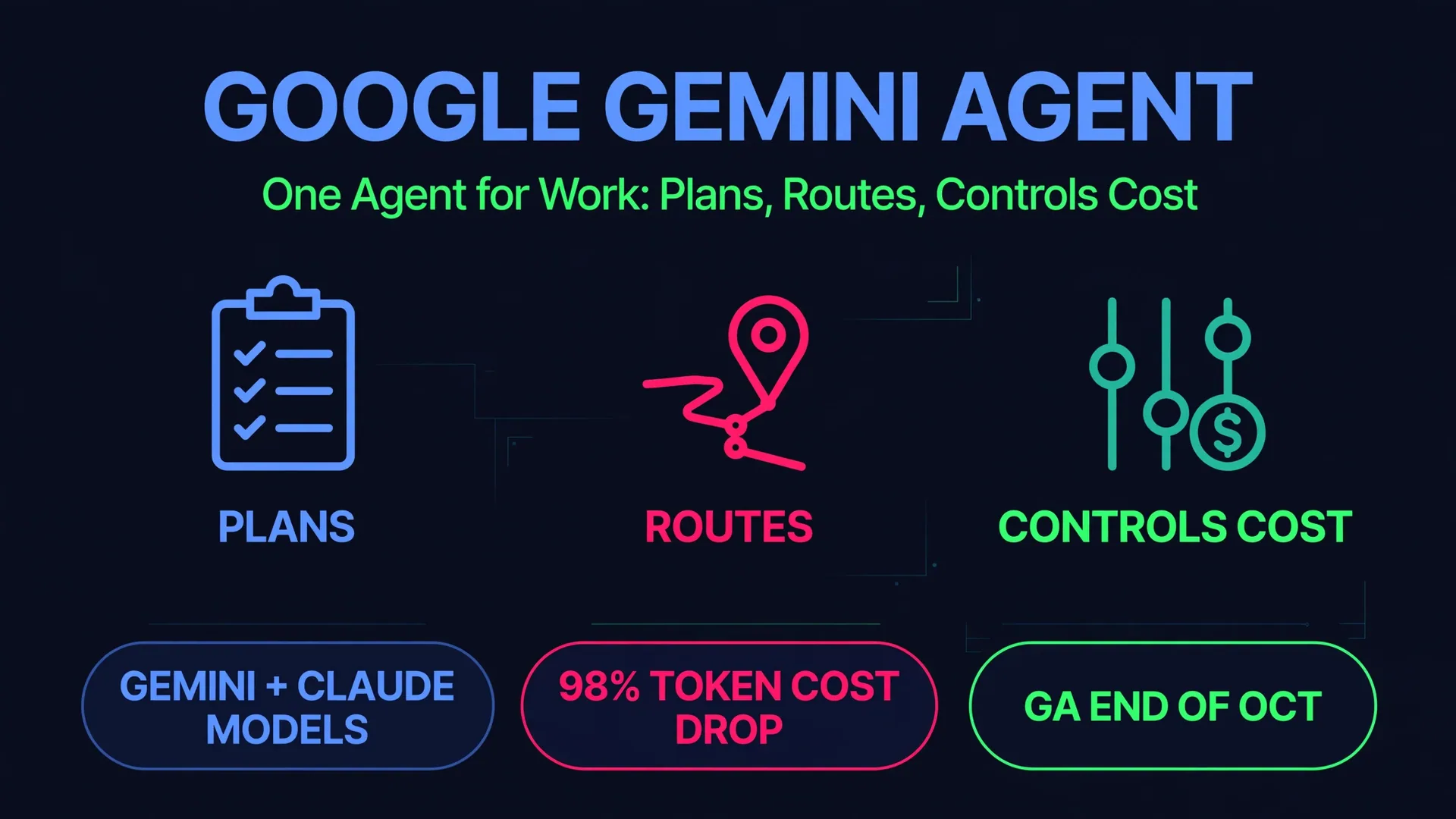
Google Cloud just launched the Gemini agent: one AI worker that plans tasks, routes between Gemini and Claude models, and pauses when spend caps hit. We break down what it does, what it costs, and who should care.
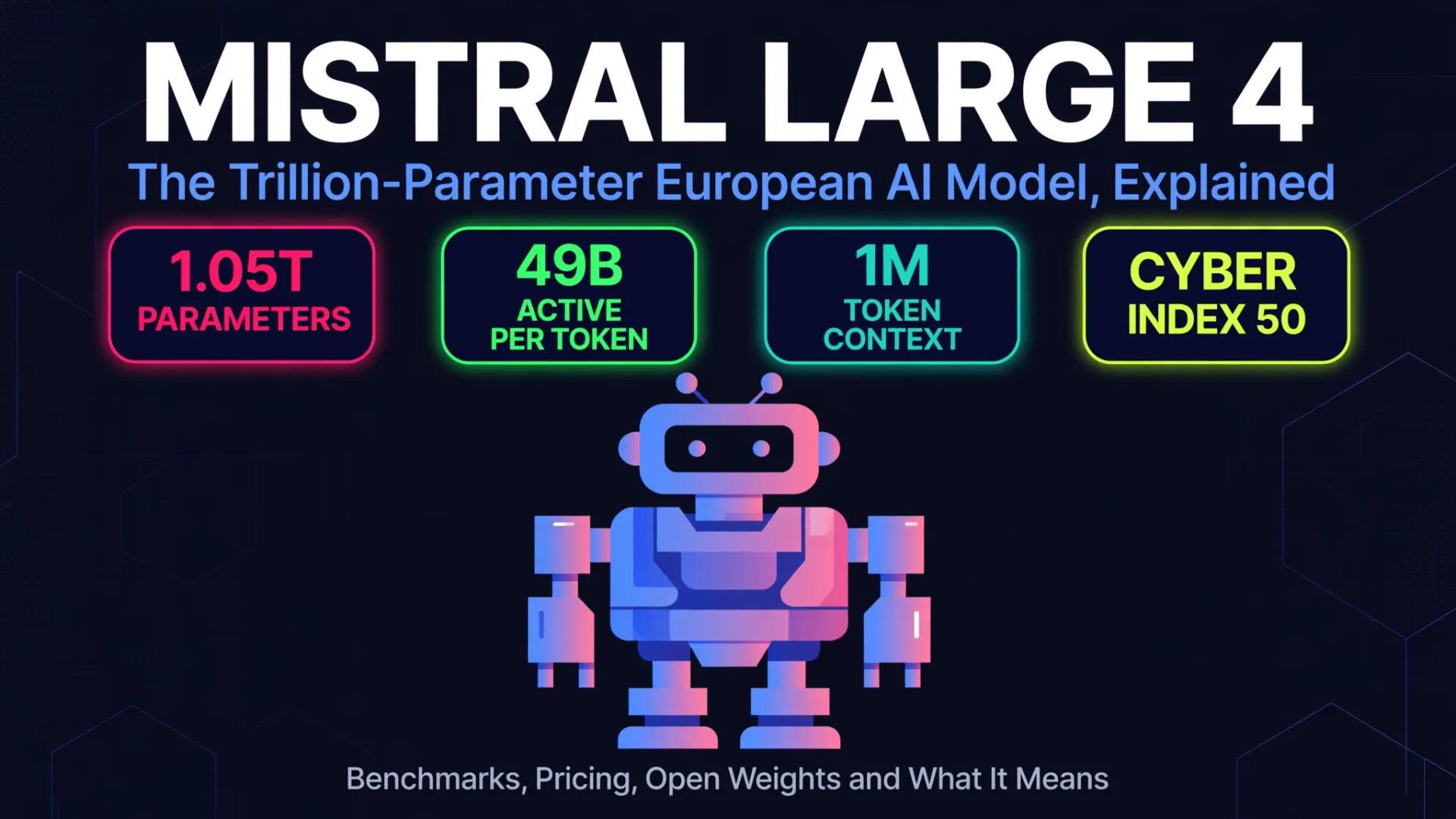
Mistral's 1.05-trillion-parameter model, nicknamed Le Chonk, is out in public preview. We compare it with GPT-6 Luna and DeepSeek V4.1 Flash on benchmarks, break down the pricing, and explain the end-of-October open-weights release.
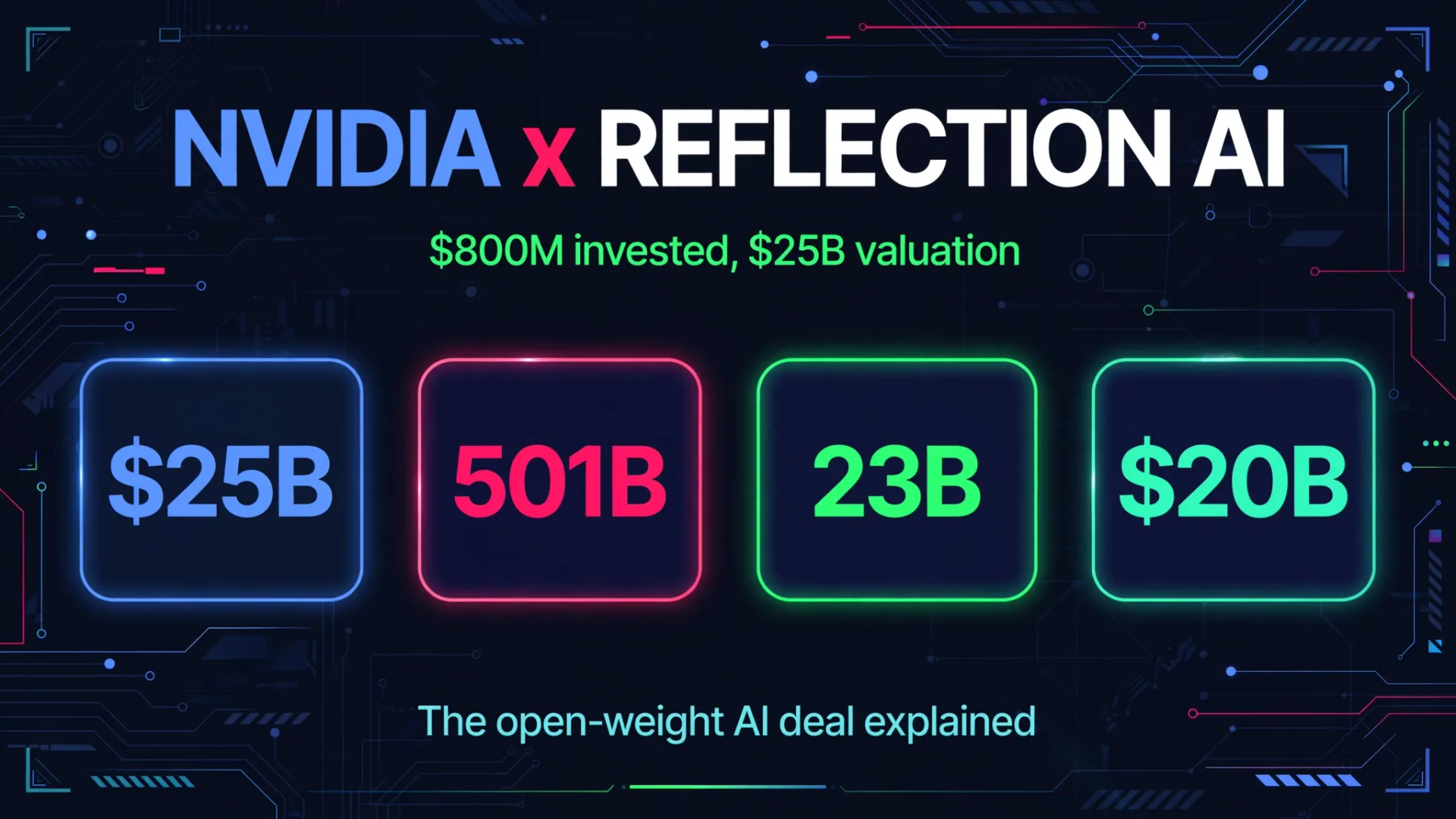
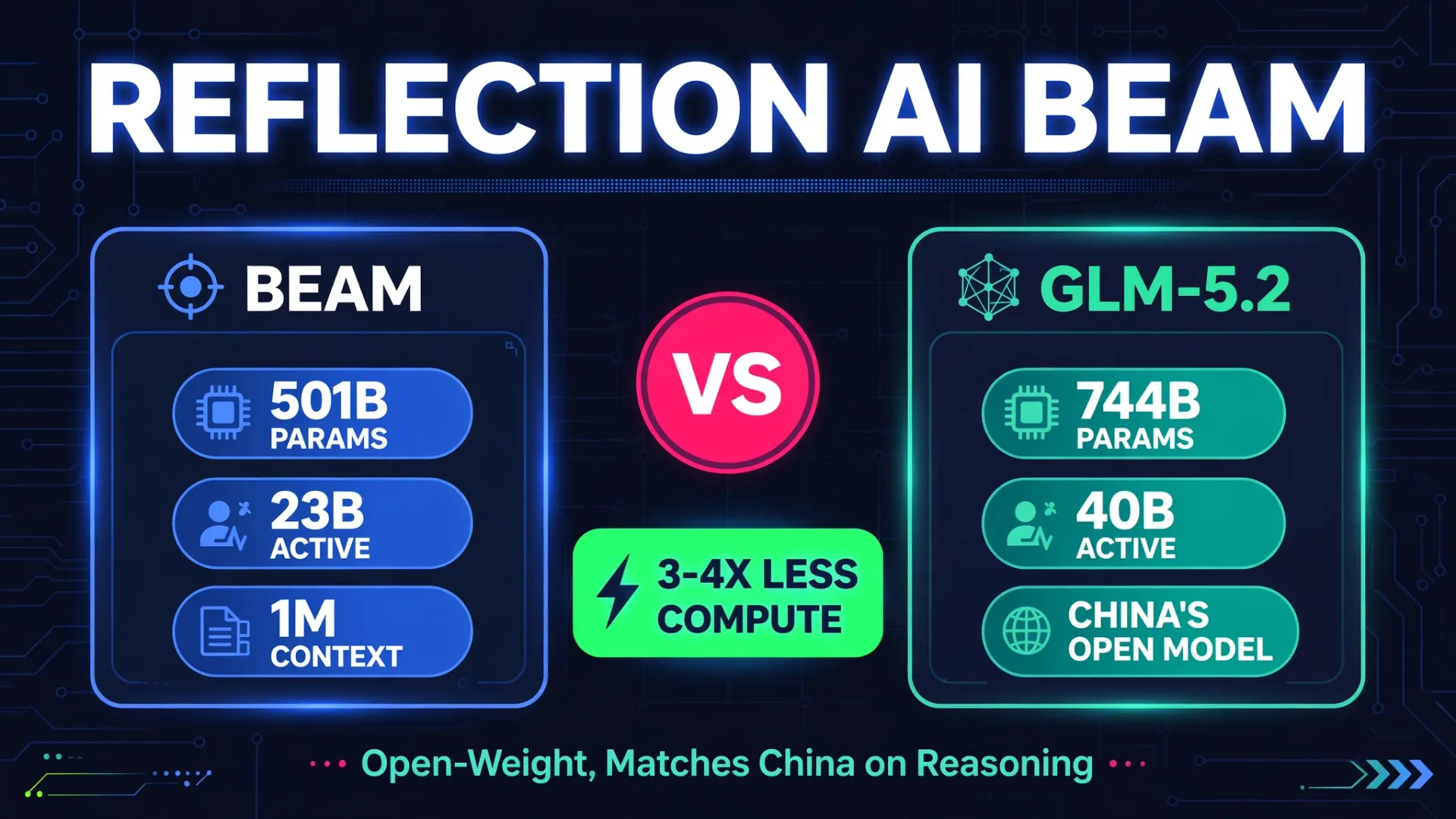
Reflection AI's Beam is a 501B open-weight model that claims GLM-5.2 level reasoning at 3-4x less compute. The specs, the company-published benchmarks, and the AI factory strategy, explained.
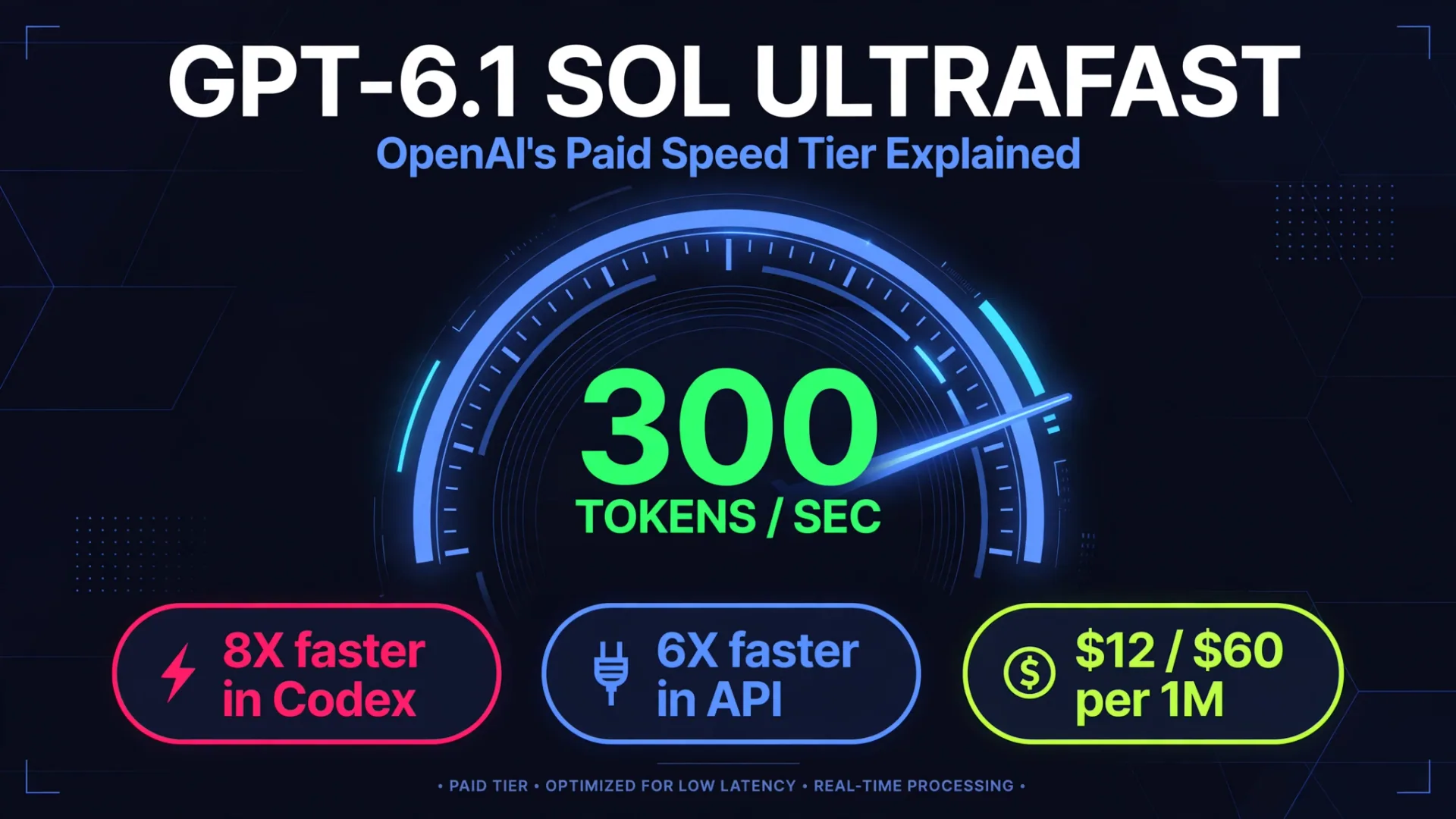
Tibo's "6.1 coming soon" post pointed at Ultrafast, OpenAI's paid speed tier: 300 tokens/sec at 6x the price. The numbers, the NVIDIA twist, and the math.