الذكاء الاصطناعي5 دقيقة قراءة
هل يجب التوقف عن تطوير التطبيقات المُبرمجة وفقًا لـ«الفيب» باستخدام الذكاء الاصطناعي؟ شرح موجة الذعر التي ستعم قطاع SaaS في عام 2026
يدعي مقطع فيديو انتشر على نطاق واسع على موقع يوتيوب أن نموذج SaaS في طريقه إلى الزوال بسبب الذكاء الاصطناعي. نقدم في هذا المقال تحليلاً للأرقام الفعلية، ونستعرض أربع عوامل تعيد تشكيل إيرادات نموذج SaaS، بالإضافة إلى دليل من خمس خطوات للمؤسسين الذين يعملون على تطوير تطبيقات الذكاء الاصطناعي في عام 2026.
هل يجب التوقف عن تطوير التطبيقات المبرمجة بناءً على «الأجواء» باستخدام الذكاء الاصطناعي؟ شرح حالة الذعر التي ستسود قطاع SaaS في عام 2026
أعاد مقطع فيديو انتشر مؤخرًا من قناة The Solo Entrepreneur، بعنوان التوقف عن تطوير تطبيقات تعتمد على الذكاء الاصطناعي!، إحياء الجدل حول ما إذا كان لا يزال من المجدي تطوير تطبيقات SaaS والذكاء الاصطناعي. بعد تتبع أكثر من 250 مصدرًا، يجادل منشئ الفيديو بأن SaaS لم يمت، لكن السوق ينقسم إلى فائزين وخاسرين. إليكم ما تعنيه الأرقام ودراسات الحالة ودليل الاستراتيجيات للمؤسسين الذين يطورون تطبيقات SaaS المدعومة بالذكاء الاصطناعي في عام 2026.
النقاط الرئيسية
- الذعر من أن «SaaS قد مات» مبالغ فيه: متوسط نمو SaaS ثابت، بينما نمت تطبيقات SaaS القائمة على أدوات الذكاء الاصطناعي بنسبة 272-441% وفقًا للتقارير.
- هناك أربع قوى تعيد تشكيل إيرادات SaaS: مقتطفات الذكاء الاصطناعي من Google، وتدفق العرض، وتحوّل العملاء إلى مطورين، ودمج المنصات.
- لا تزال المنتجات التي تتمتع بجمهور، وبيانات خاصة، ومشترين من غير المطورين، وتكامل عميق في سير العمل هي المنتصرة.
- يمكن لخطة من خمس خطوات أن تساعد المؤسسين على التكيف وحتى التخطيط للخروج من السوق.
ما الذي يقوله الفيديو فعليًا
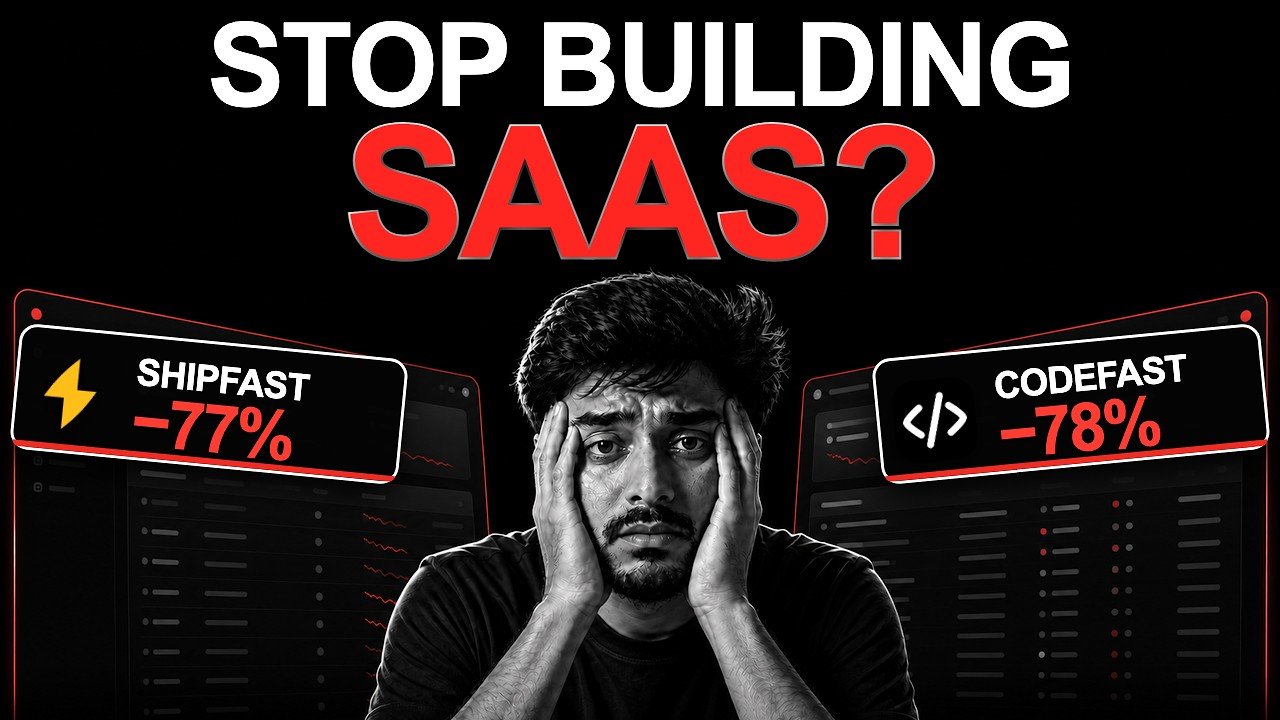
تبلغ مدة الفيديو 21 دقيقة وحصد ما يقرب من 50,000 مشاهدة. يبدأ الفيديو بادعاء استفزازي: SaaS قد مات. ويستشهد الفيديو بانخفاض إيرادات منتجات بارزة، بما في ذلك انخفاض إيرادات Tailwind CSS بنسبة 80% منذ يناير 2026، وانخفاض إيرادات Shiffst بنسبة 77% في غضون 30 يومًا. كما يوضح كيف خسرت شركات SaaS الصغيرة التي كانت تعتمد على إحالات Google حوالي 60% من حركة المرور الخاصة بها لأن مقتطفات الذكاء الاصطناعي (AI) أصبحت الآن تجيب على الاستفسارات مباشرةً.
ومع ذلك، يقوم صانع الفيديو بعد ذلك بالتحقق من الأرقام التي انتشرت على نطاق واسع وأثارت حالة من الذعر. ويصف الادعاء الذي انتشر على نطاق واسع بأن نمو قطاع SaaS بشكل عام لم يتجاوز 1.6% في حين انخفض نمو أدوات SaaS القائمة على الذكاء الاصطناعي بنسبة 6% بأنه ادعاء ملفق. ووفقًا للفيديو، فإن متوسط النمو الحقيقي لقطاع SaaS هو 0٪، في حين أن SaaS الخاصة بأدوات الذكاء الاصطناعي هي في الواقع الفئة الأسرع نموًّا، حيث يتراوح متوسط نموها بين 272٪ و441٪.
أربع قوى تعيد تشكيل إيرادات SaaS
1. توقف جوجل عن إرسال النقرات
تجيب مقتطفات الذكاء الاصطناعي على أسئلة المستخدمين داخل صفحة نتائج البحث، مما يؤدي إلى انخفاض عدد الزوار الذين ينقرون للانتقال إلى المواقع الإلكترونية. يزعم الفيديو أن معدلات النقر انخفضت من 58% إلى 28% عبر 300,000 كلمة مفتاحية، مما يعني أن حوالي 276 فقط من كل 1,000 عملية بحث تؤدي الآن إلى موقع إلكتروني. وتعاني منتجات SaaS التي بنت استراتيجيات اكتساب عملائها على تحسين محركات البحث (SEO) والبحث العضوي من هذه الظاهرة بشكل مباشر.
2. فيض العرض
شهد عدد أدوات الذكاء الاصطناعي طفرة هائلة. ويشير الفيديو إلى وجود 33,000 أداة ذكاء اصطناعي في أبريل 2025، وأكثر من 51,000 أداة بحلول يوليو 2026. يبلغ متوسط التصويت الإيجابي على قوائم «Product Hunt» حاليًا تصويتًا واحدًا تقريبًا، مما يشير إلى أن العرض يفوق الطلب بكثير. وعندما يصبح بإمكان أي شخص إطلاق منتج يعتمد على الذكاء الاصطناعي في عطلة نهاية أسبوع واحدة، يصبح الاهتمام هو المورد النادر.
3. العملاء يصبحون مطورين
تتيح أدوات إنشاء الكود بالذكاء الاصطناعي للمستخدمين ذوي الميول التقنية إنشاء نسخهم الخاصة من الأدوات التي كانوا يشترونها في السابق. يذكر الفيديو أن شركة Curative ألغت عقدًا مع Salesforce بقيمة 6 لاك روبية وقامت ببناء نظام CRM داخلي باستخدام الذكاء الاصطناعي. عندما يتمكن المشتري من حث الذكاء الاصطناعي على إعادة إنشاء منتجك، تختفي قدرتك على تحديد الأسعار.
4. المنصات الكبرى تستوعب الميزات
تقوم المنصات الكبرى مثل OpenAI وGoogle وMicrosoft بدمج ميزات الذكاء الاصطناعي في عروضها المجانية. يشير الفيديو إلى تغريدة لسام ألتمان توحي بأن OpenAI ستستوعب العديد من حالات الاستخدام الخاصة بالشركات الناشئة الصغيرة. عندما يتم توفير ميزة لا غنى عنها مجانًا داخل منصة يستخدمها الجميع بالفعل، فإن منتجات SaaS المستقلة تواجه صعوبة في المنافسة.
لماذا لا تزال بعض منتجات SaaS تحقق النجاح
يسلط الفيديو الضوء على عدة منتجات تزدهر على الرغم من حالة الذعر السائدة:
- B4 بيعت مقابل 80 مليون دولار.
- CL AI استحوذت عليها MyFitnessPal وتسجل إيرادات تزيد عن 30 مليون دولار.
- Built With Again حققت إيرادات بقيمة مليون دولار كمشروع لمؤسس واحد.
- Postes نمت 7 أضعاف في أربعة أشهر دون أي إنفاق إعلاني من خلال بيع وكلاء الذكاء الاصطناعي.
يرى صانع الفيديو أن هذه الشركات الناجحة تشترك في أربع مزايا لا يمكن للذكاء الاصطناعي تقليدها بسهولة:
- الجمهور والتوزيع — قاعدة مستخدمين مخلصين وقنوات تسويقية.
- البيانات الخاصة — مجموعات بيانات فريدة لا يمكن للذكاء الاصطناعي إعادة إنتاجها.
- المشترون غير المطورين — عملاء لا يستطيعون تطوير الحل بأنفسهم.
- التكامل الحاسم في سير العمل — منتجات مدمجة في العمليات التجارية الأساسية.
دليل عملي من خمس خطوات لعام 2026
يختتم الفيديو بدليل عملي للمؤسسين:
- بيع لمن لا يستطيعون التطوير — استهدف الشركات المحلية ومقدمي الخدمات غير التقنيين.
- بناء قنوات التوزيع قبل المنتج — إنشاء المحتوى أو المجتمع أو أصول تحسين محركات البحث (SEO) أولًا.
- امتلاك بيانات غير قابلة لإعادة إنتاج — الأرشيفات والمعايير المرجعية ومجموعات البيانات الخاصة تشكل حواجز حماية.
- اجعل منتجك قابلاً للشراء بواسطة وكلاء الذكاء الاصطناعي — صمم منتجك ليلائم قناة شراء ناشئة مدفوعة بالذكاء الاصطناعي.
- خطط لفرصة خروج — استهدف الاستحواذ أو البيع بدلاً من الصيانة المفتوحة.
ماذا يعني هذا لتطبيقات الذكاء الاصطناعي «المبرمجة بالأجواء»
يعني البرمجة القائمة على «الانطباع» إنشاء التطبيقات بسرعة باستخدام توجيهات الذكاء الاصطناعي دون التفكير العميق في المنتج. يحذر الفيديو من أن هذه التطبيقات سهلة النسخ والاستبدال، ومن غير المرجح أن تحافظ على الإيرادات. والحل هو الدليل المذكور أعلاه: التوزيع، والبيانات الخاصة، وسير العمل القابل للدفاع عنه، والمشترون من غير المطورين.
في CodeMyPixel، نساعد الفرق على تجاوز النماذج الأولية المبرمجة بناءً على «الشعور» إلى منتجات SaaS قيد الإنتاج وأتمتة الأعمال المدعومة بالذكاء الاصطناعي. في عام 2026، سيكون الكود هو الجزء السهل؛ أما الحصن فسيكون كل شيء آخر.
الأسئلة المتكررة
هل انتهى عصر SaaS حقًّا في عام 2026؟
لا. يوضح الفيديو أن SaaS تشهد انقسامًا، وليست في طريقها إلى الزوال. هناك بعض القطاعات التي تشهد تراجعًا، لكن يُقال إن SaaS القائمة على أدوات الذكاء الاصطناعي هي الفئة الأسرع نموًّا.
ما المقصود بـ «البرمجة العاطفية»؟
البرمجة العاطفية هي بناء البرمجيات عن طريق توليد الكود باستخدام توجيهات الذكاء الاصطناعي، وغالبًا دون الالتزام بالأسس الهندسية التقليدية. وهي سريعة، لكنها غالبًا ما تنتج منتجات سطحية وقابلة للنسخ.
لماذا تنخفض الإحالات من Google لخدمات SaaS؟
تُجيب مقتطفات الذكاء الاصطناعي على أسئلة المستخدمين مباشرةً على صفحة نتائج البحث، مما يقلل من معدل النقرات المؤدية إلى المواقع الإلكترونية.
كيف يمكن لخدمة SaaS جديدة أن تنجو من موجة الذكاء الاصطناعي؟
ركز على المشترين غير المطورين، والبيانات الخاصة، وقنوات التوزيع المملوكة، والتكامل الحاسم لسير العمل. فكر في الاستفادة من الأسواق المتخصصة أو العلامات البيضاء.
هل يجب أن أتوقف عن تطوير تطبيقات الذكاء الاصطناعي؟
لا، ولكن اختر مجالًا متخصصًا يمكن الدفاع عنه وقم ببناء قاعدة جمهور قبل أن تفرط في الاستثمار في البرمجة.
الخلاصة
الذعر المحيط بقطاع SaaS حقيقي جزئيًا ومصطنع جزئيًا. لن تكون التطبيقات الفائزة في عام 2026 هي أسرع التطبيقات المبرمجة؛ بل ستكون المنتجات التي تمتلك قاعدة جمهور وبيانات وتكاملًا قويًّا لسير العمل. إذا كنت مستعدًا لتطوير هذا النوع من المنتجات، فإن CodeMyPixel تقدم خدمات تطوير SaaS، وتطوير الوكلاء المعتمدين على الذكاء الاصطناعي، وأتمتة الأعمال.
المصدر: توقف عن تطوير تطبيقات مكتوبة بلغة Vibe باستخدام الذكاء الاصطناعي! بقلم The Solo Entrepreneur.