الذكاء الاصطناعي2 دقيقة قراءةبقلم JH Akash
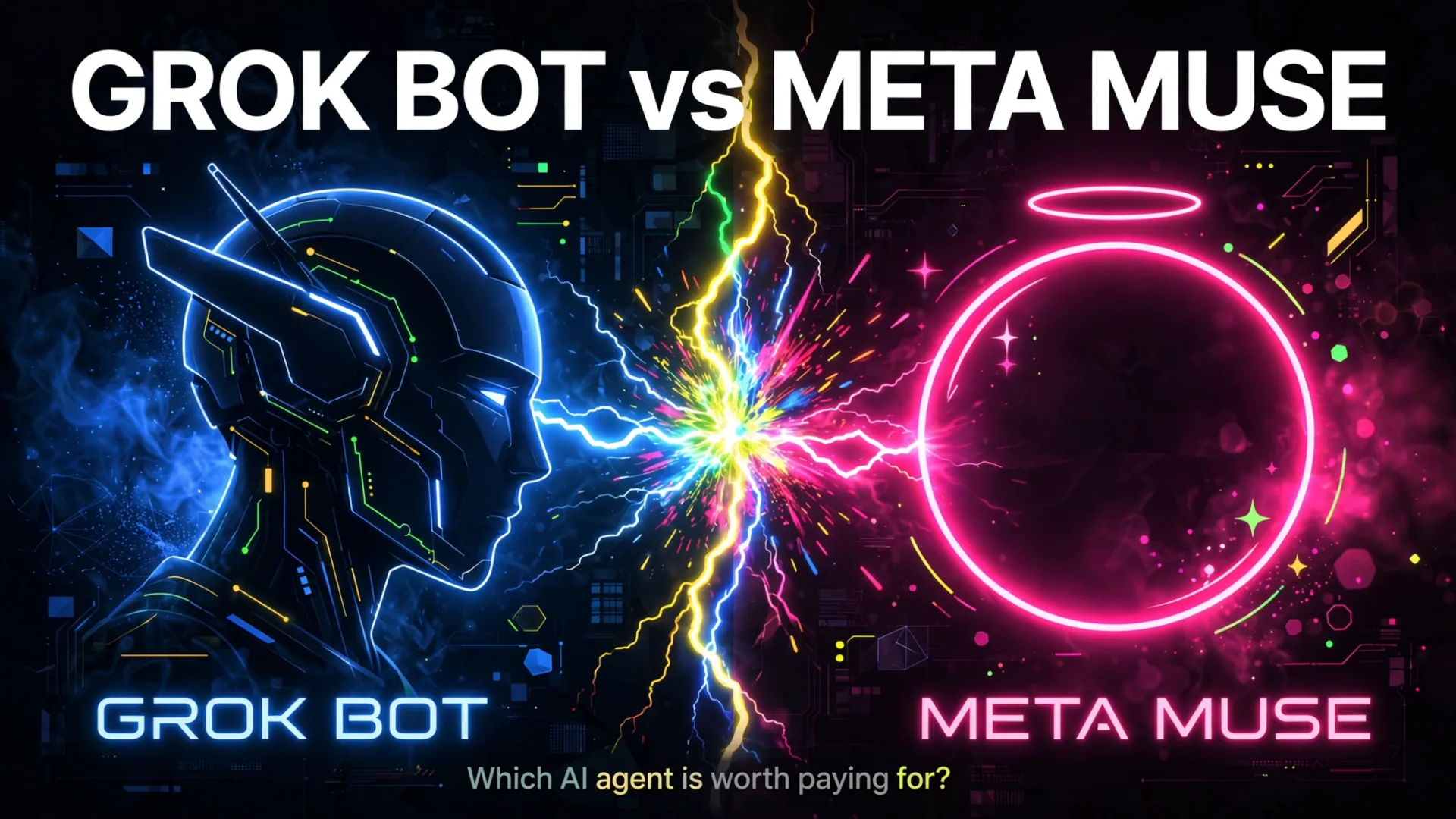
Meta Launches Enterprise Platform to Bring Muse Agents to Business
Meta just launched the Meta Enterprise Platform, a new business unit packaging Muse models and AI agents for companies. Here's what businesses should know before the hype settles.

Meta announced on Monday a brand-new business unit called the Meta Enterprise Platform, built to package its Muse models, AI agents, and developer tools for business customers. Mark Zuckerberg called it the "next major pillar" of Meta's business.
This is a big signal. Meta has mostly been a consumer AI company until now. This announcement says it wants a seat at the enterprise table, next to Microsoft, Google, and OpenAI.
The starting lineup includes the Muse agent, the Meta Business Agent, the Muse API, and Muse Code. If the Meta Business Agent sounds familiar, that is because Meta announced that platform back in June: it lets companies deploy customer-facing agents on WhatsApp, Messenger, and Instagram. Meta says more than a million businesses are already using one.
To lead the new unit, Meta hired Chirantan "CJ" Desai, the former MongoDB CEO, as Chief Enterprise Platform Officer reporting directly to Zuckerberg. Desai previously led product and engineering at Cloudflare and spent around eight years at ServiceNow as president and COO. The market noticed: MongoDB shares fell roughly 18 percent on the news, and Dev Ittycheria stepped in as interim CEO there.
The timing is no accident. Earlier in September, Meta launched its consumer Muse personal AI agent, which can shop, book travel, send emails, and handle payments, and it shot to the top of the App Store charts. Now Meta is taking that same agent technology and pointing it at businesses.
So what should a business owner actually take away from this?
First, distribution is Meta's superpower. Nobody else can put an AI agent in front of customers on WhatsApp, Instagram, and Messenger in one move. If your customers already talk to you on those channels, a Meta-powered agent could meet them exactly where they are. That is a genuine advantage, and competitors will feel it.
Second, the honest caveat: there is no pricing, no release calendar, no SLA terms, and no named customers yet. Announcements are cheap. Enterprise trust is expensive. Until Meta publishes the details that procurement teams actually need, treat this as a direction, not a product you can buy on Monday morning.
Third, the enterprise agent race just got crowded in a good way. Microsoft has Copilot, Google has Gemini for Workspace, OpenAI is pushing its own business tools, and now Meta enters with the consumer channels nobody else owns. More competition means better agents and lower prices for businesses. That is good news for anyone automating support, sales follow-ups, or appointment booking.
Here is our take at CodeMyPixel. We build custom AI agents for growing teams, and we are platform-agnostic on purpose. Meta's channels are incredibly attractive for customer-facing automation, and we will be watching the Enterprise Platform closely. But the businesses that win with AI agents are not the ones that pick the trendiest model. They are the ones that pick the right workflow: the repetitive task that eats hours every week and can be automated reliably.
Meta entering the enterprise game confirms what we have been telling clients all year. AI agents are no longer an experiment. They are infrastructure. The only question left is who builds yours, and on which channels your customers actually live.
- Meta
- Muse
- AI agents
- enterprise AI